
Pristina does not win people over at first sight. It is a young, busy, slightly chaotic capital of concrete blocks, traffic and construction cranes, and most backpackers arrive expecting to pass straight through. Give it a full day on foot, though, and the city starts to make sense: a handful of odd and striking landmarks, an Ottoman quarter that survived, and a café culture that turns a cheap coffee into the main event. Everything in this walk sits within about two kilometres, so you need no transport and very little money.
A note on names: the city is Prishtina in Albanian and Priština in Serbian, and you will see both on maps and signs. Kosovo uses the euro, which keeps the arithmetic simple.
Morning: the NEWBORN letters and the boulevard
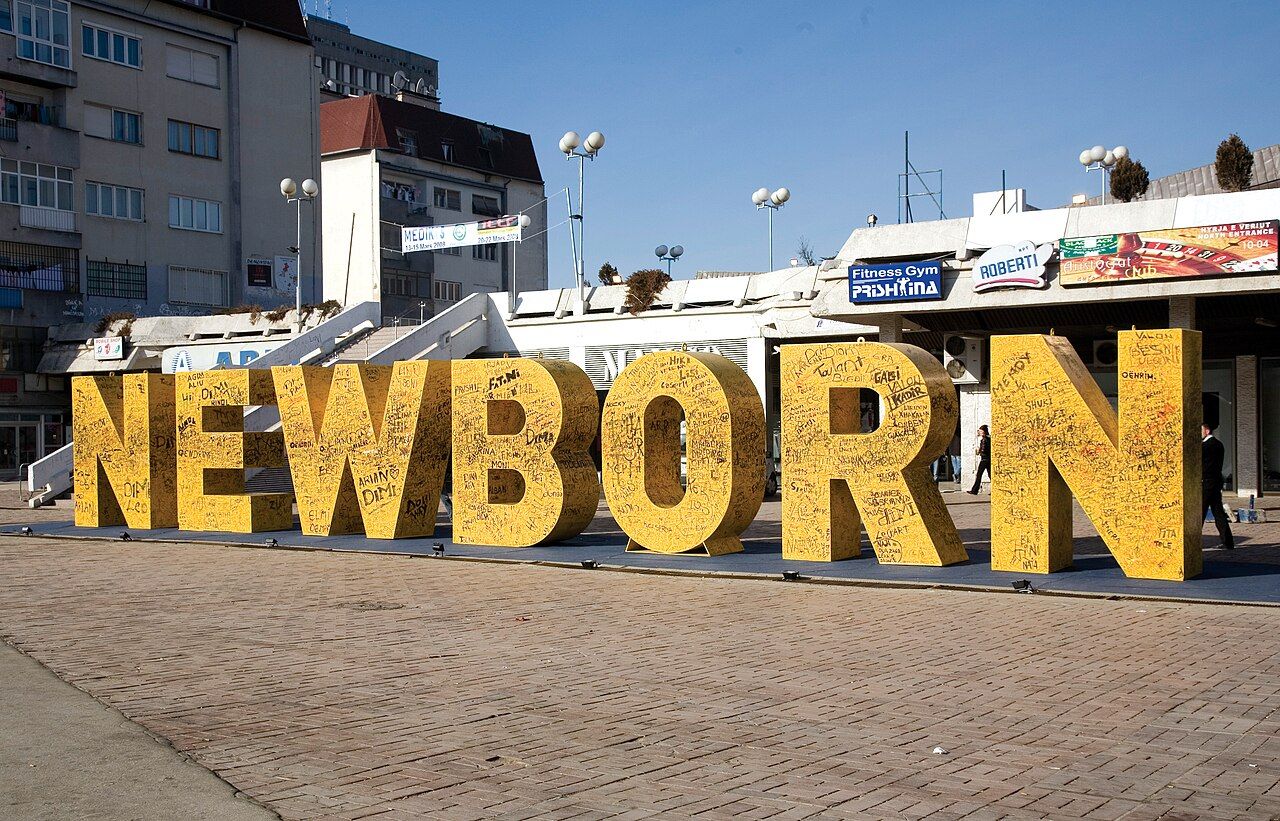
Start at the NEWBORN monument, a row of giant yellow letters unveiled in February 2008, when Kosovo's assembly declared independence. The declaration is recognised by some countries and not by others, including Serbia, and you will meet both views on any trip through the region. The monument itself is simply a city landmark now. The letters have been repainted with new designs several times over the years, often around the February anniversary, so the version you see may not match older photographs.
From there, walk to Mother Teresa Boulevard, the long pedestrian spine of the centre. In the morning it is quiet enough to notice the details: a statue of Mother Teresa, who was born to an Albanian family in Skopje, the equestrian statue of Skanderbeg near the government buildings, and the benches where older men settle in to read the papers. By evening the same street fills with families walking slowly up and down, which is the best free entertainment in town.
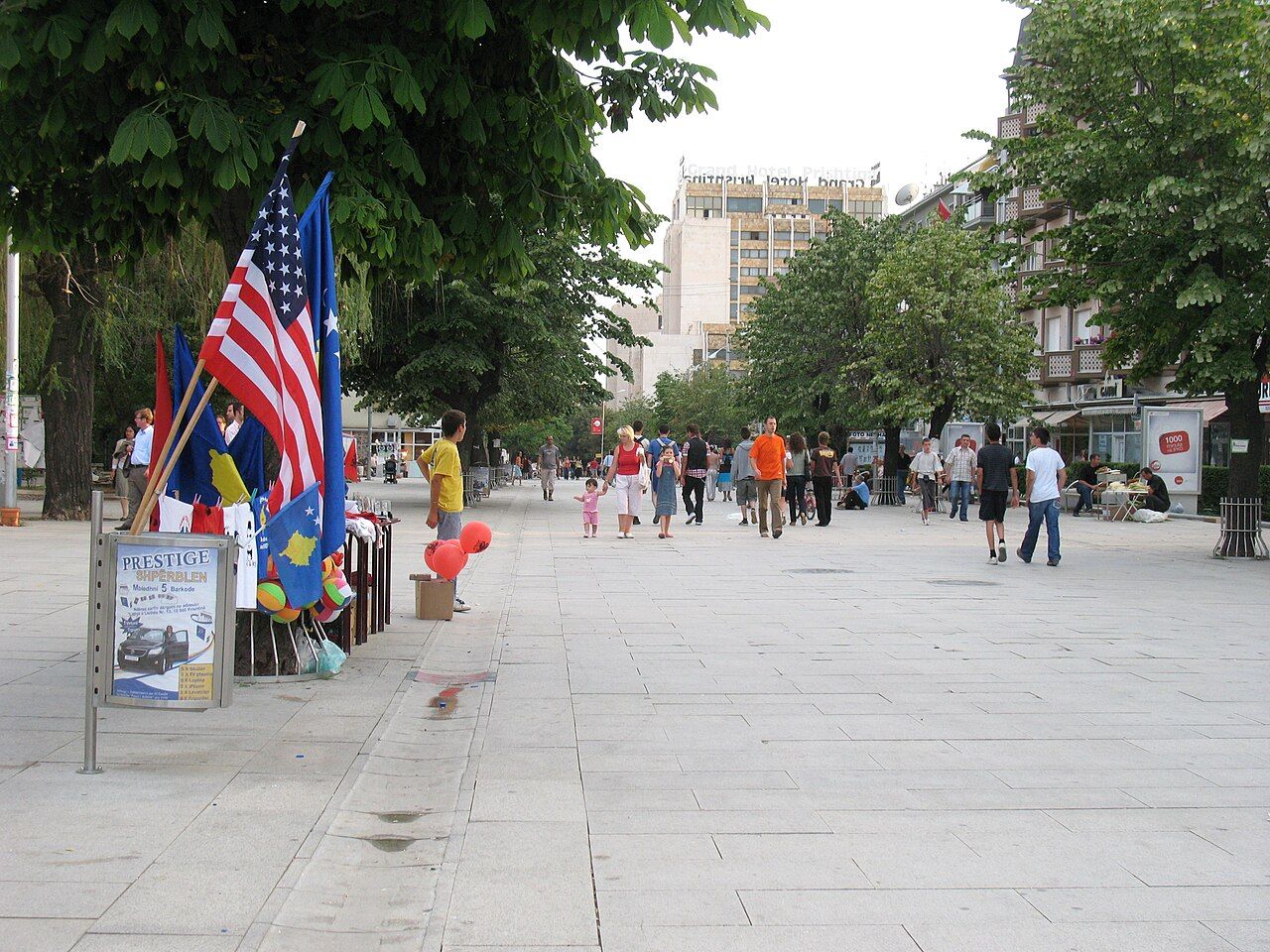
Keep an eye on the side streets as you go. Pristina's centre is a jumble of socialist-era blocks, newer glass towers and small family shops, and the pavements can be uneven or blocked by parked cars, so look down as often as up.
Midday: the National Library and the university quarter
A short walk east brings you to the city's most photographed building, the National Library of Kosovo. Designed by the Croatian architect Andrija Mutnjaković and opened in the early 1980s, it wraps its reading rooms in a lattice of metal and crowns them with dozens of small white domes. Some people love it and some people find it bewildering, and both reactions are fair. Walk all the way around it, because each side looks slightly different, and if the doors are open you can usually step into the lobby quietly.
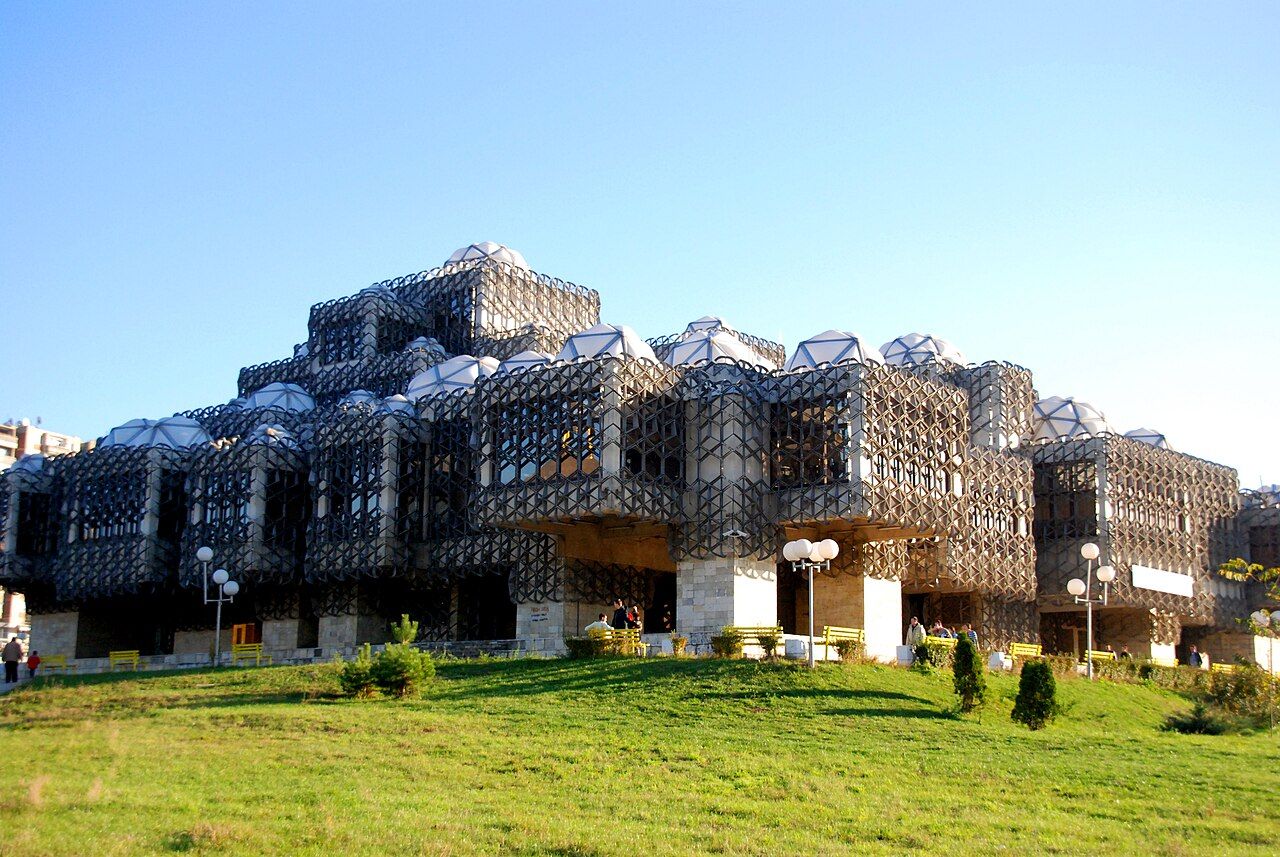
The library sits in the university grounds, so the lawns are full of students in term time. In the same area stands an unfinished Orthodox church whose construction began in the 1990s and stopped after the war; it remains closed, and its future is still debated.
This is also a good moment for lunch. Look for a bakery selling burek or pite by weight, or a grill doing qebapa with bread and raw onion. Prices are low, portions are generous, and a hot lunch rarely stretches a backpacker budget. Our guide to eating well and cheaply in Kosovo covers what to order.
 Change here for KosovoKosovo's recent history, in brief and with care
Afternoon: the old bazaar quarter
Head north towards the old town, where Pristina's Ottoman past is easiest to read. The bazaar that once filled these streets was largely cleared in the twentieth century, but several landmarks remain within a few minutes of each other.
- The Clock Tower (Sahat Kulla). A slim stone tower from the Ottoman period, rebuilt more than once, that still marks the centre of the old quarter.
- The Imperial Mosque. Also called the Fatih Mosque, it dates from the fifteenth century, the reign of Mehmed II, and is the oldest large mosque in the city. Outside the five daily prayers you can usually step inside if dressed modestly, with shoes left at the door.
- The Jashar Pasha Mosque. Smaller and later, with a painted interior worth a quiet look.
- The Great Hamam. The old public bath, long neglected and the subject of lengthy restoration work.
Close by is the Ethnological Museum, set in an Ottoman-era family compound of wooden-balconied houses around a courtyard. Inside you see how a well-off household lived: the separate rooms for guests and family, the low sofas, the costumes and tools. It is small, cool on a hot day and one of the most rewarding stops in the city. Opening hours and any entry fee change, so check before you go.
Everything in this walk sits within about two kilometres, so you need no transport and very little money.
If you still have energy, the Kosovo Museum in the old quarter covers archaeology from the region, including Neolithic finds. Again, check its current hours, as galleries sometimes close for work.
Evening: coffee, the xhiro and a cheap dinner
Pristina's real attraction is its café life. The macchiato here is a point of local pride, small and strong and very cheap, and you will find a café on nearly every corner of the centre. Sitting for an hour over one cup is perfectly normal; no one hovers with the bill. Spend part of your evening doing the same.
Afterwards, join the evening walk along the boulevard, known in Albanian as the xhiro. Then look for a simple dinner: a bowl of tavë, meat or beans baked in a clay dish, or a plate of grilled meat with salad. Pristina has a lively nightlife too, much of it around the centre's side streets, and it is generally relaxed and good-natured.
Practical notes for the day
A few things make the walk easier.
- Arriving. The main bus station sits southwest of the centre, a walk of roughly half an hour or a short taxi ride. The airport is outside the city; buses and taxis link it to the centre, so check current options before you land.
- Taxis. Use metered taxis or agree the fare first. Ask for the meter to be switched on.
- Money. Cash machines are easy to find in the centre. Small cafés and bakeries prefer cash, so keep coins and small notes.
- Dress. Casual clothes are fine everywhere in the city. For mosques, cover shoulders and knees, and women may want a scarf.
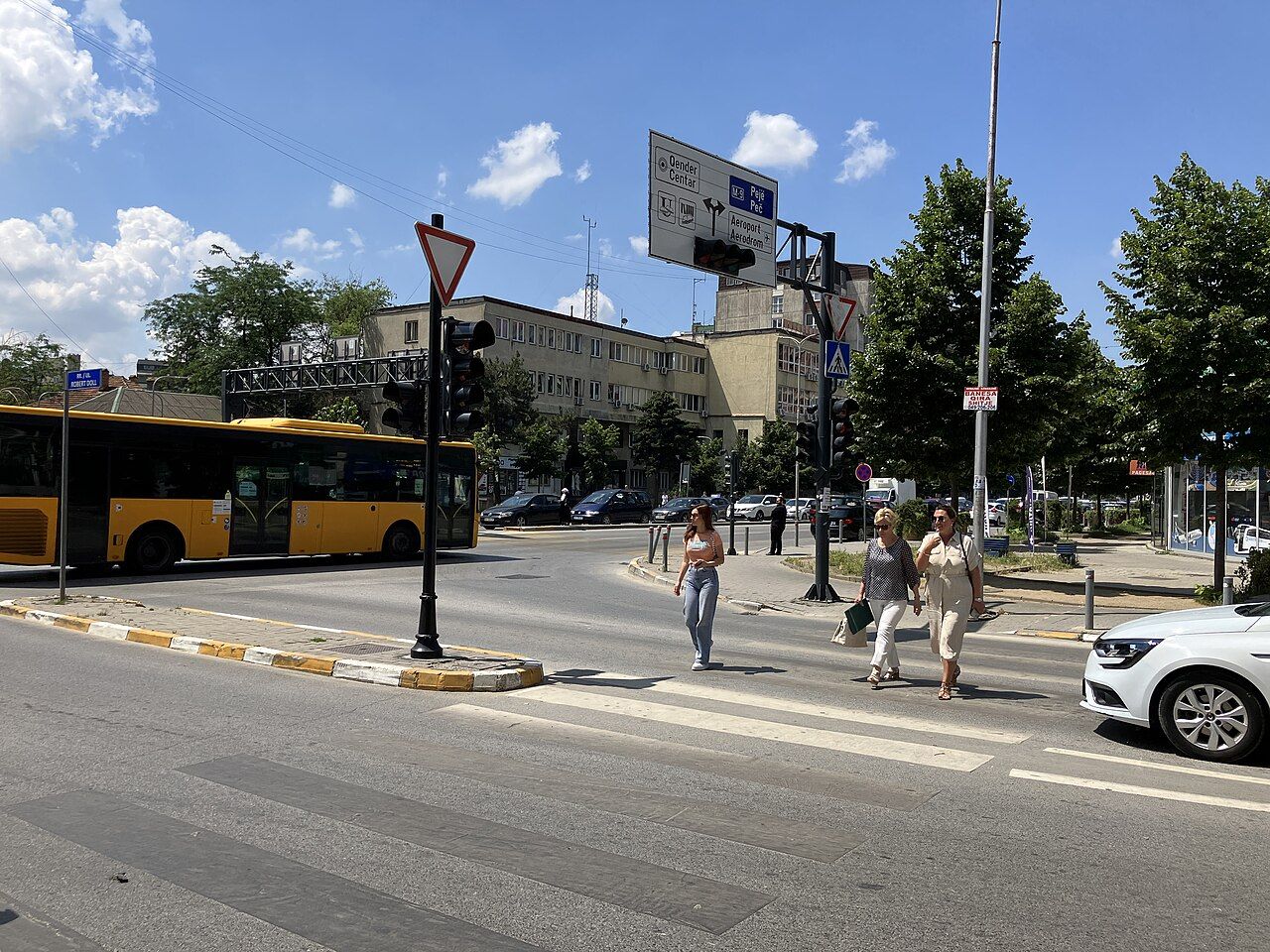
- Safety. Pristina generally feels safe on foot, day and night. Watch your bag in crowds and take normal care crossing roads, as drivers do not always stop at crossings.
With a day here behind you, the obvious next steps are short trips out of town. Head to the forest of Germia Park for green space, visit Gračanica Monastery and the Roman ruins at Ulpiana, or catch a bus west for Prizren's old town and fortress. Buses leave often, and the next town is rarely more than a couple of hours away.