
Kosovo's history is long and, for many people, deeply personal. Different communities remember the same events in different ways. This short guide sets out the main facts in plain language so that you can understand what you see as you travel. It is not a full history, and it does not take sides. Museums, monuments and conversations will add detail and perspective.
Medieval and Ottoman centuries
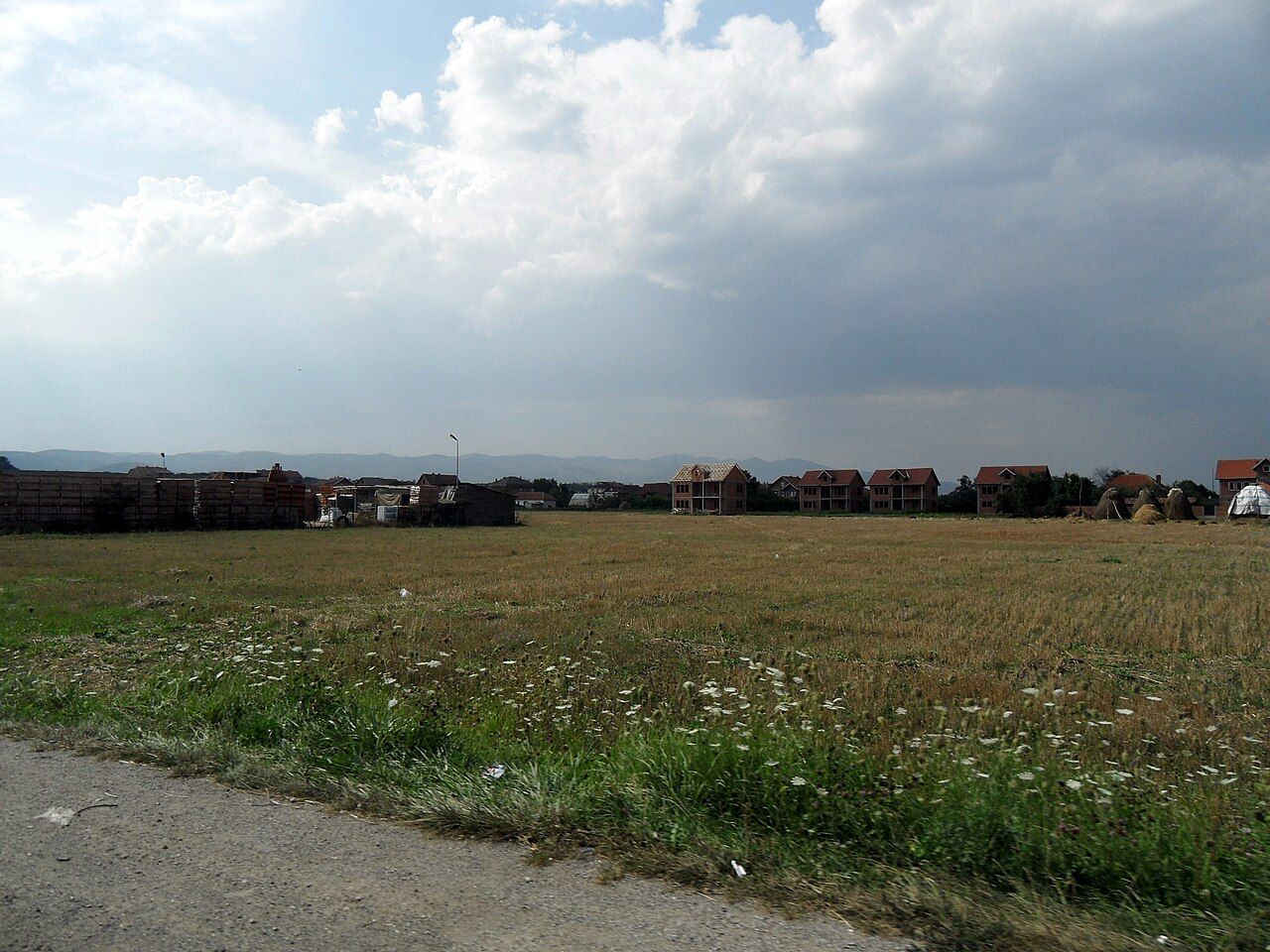
In the Middle Ages, the territory was part of the medieval Serbian state, and several important Serbian Orthodox monasteries and churches were built here, including those now listed by UNESCO. In 1389, the Battle of Kosovo was fought on the plain near present-day Pristina between an Ottoman army and a Balkan coalition led by Serbian forces. The battle holds a central place in Serbian historical memory.
During the fifteenth century, the region came under Ottoman rule, which lasted for more than four centuries. In this period, Islam spread among much of the population, towns grew around markets and mosques, and the population changed over time, with Albanians becoming the majority. In 1878, the League of Prizren, an Albanian political movement, was founded in the city of Prizren.
The Ottoman centuries left a visible mark. Mosques, bathhouses, stone bridges and market streets in towns such as Prizren, Pristina and Gjakova date from this period, alongside older Orthodox churches and monasteries. When you walk through an old bazaar in Kosovo, you are walking through a layout shaped largely in Ottoman times.
The Yugoslav decades
After the Balkan Wars of 1912 and 1913, Ottoman rule ended and the territory passed to Serbia and Montenegro. Following the First World War, it became part of the new Kingdom of Serbs, Croats and Slovenes, later named Yugoslavia. After the Second World War, Kosovo became an autonomous province within Serbia, one of the republics of socialist Yugoslavia.
The 1974 Yugoslav constitution gave the province wide autonomy. Tensions grew in the following years, and in 1989 Serbia reduced that autonomy. During the 1990s, as Yugoslavia broke apart, many Kosovo Albanians boycotted state institutions and organised parallel structures, including schools and health care.
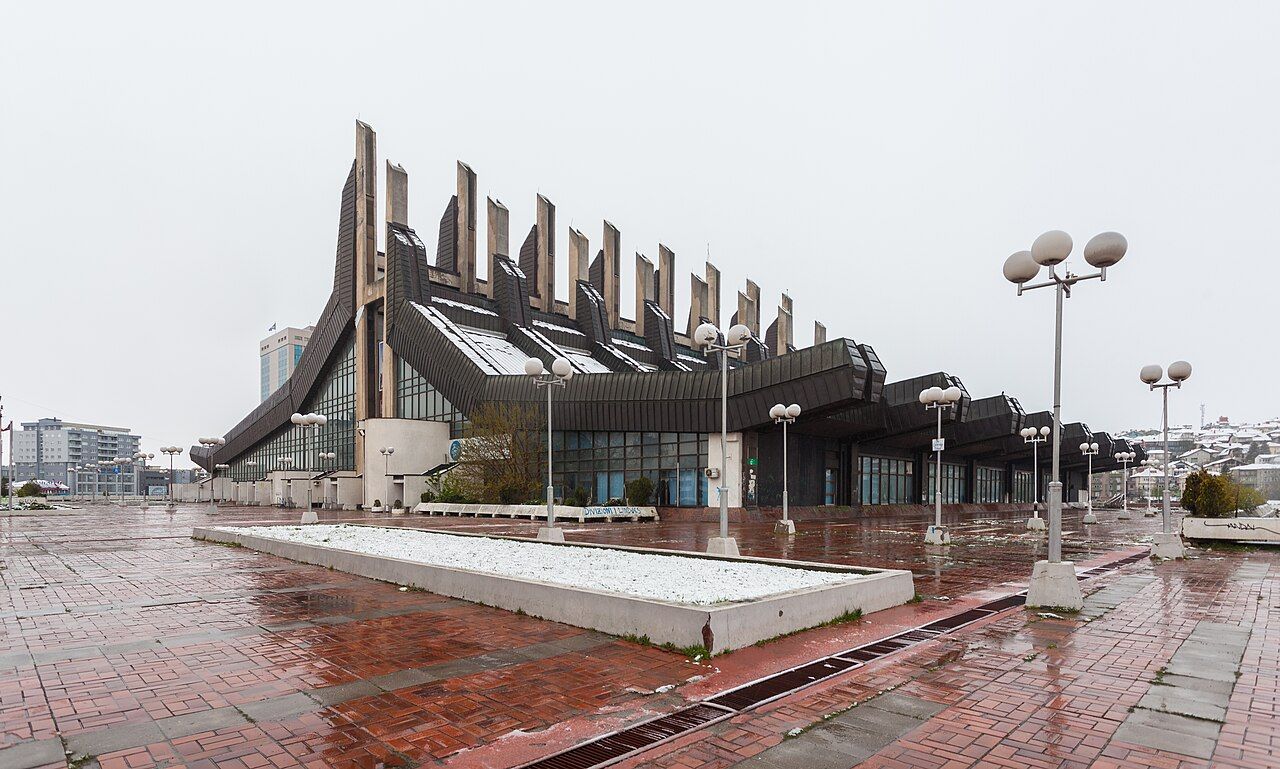
Much of Pristina's centre took shape in the Yugoslav period, with modernist buildings, wide boulevards and housing blocks. The National Library, with its distinctive domes, and the Palace of Youth and Sports are well-known examples. They remain part of daily life and are worth a look on any walk through the city.
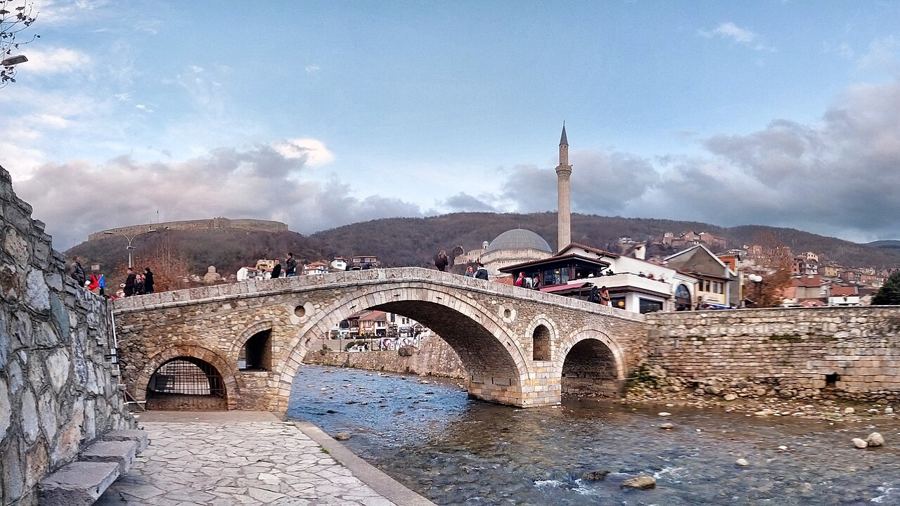 Change here for PrizrenPrizren's old town and the climb to the fortress
The war of 1998-99 and NATO's campaign
In 1998, fighting escalated between Yugoslav and Serbian security forces and the Kosovo Liberation Army. The conflict caused many deaths and displaced large numbers of people. After diplomatic efforts failed, NATO began an air campaign against Yugoslavia in March 1999, without authorisation from the UN Security Council. The campaign lasted until June 1999, when an agreement led to the withdrawal of Yugoslav and Serbian forces from Kosovo.
The war and its aftermath brought great suffering to people from all communities. Many Albanians were displaced during the conflict, and after it ended many Serbs, Roma and members of other communities left their homes. Memorials across the country commemorate those who died or went missing.
For many families, the fate of relatives missing since the conflict is still unknown, and you may see photographs and names displayed in public places in Pristina and elsewhere. Treat these sites with the same respect you would show any memorial.
UN administration
In June 1999, UN Security Council Resolution 1244 placed Kosovo under a UN interim administration, known as UNMIK, with security provided by a NATO-led force known as KFOR. Over the following years, local institutions were set up, including an assembly and a government, and responsibility was gradually transferred to them.
Negotiations on Kosovo's final status took place in the mid-2000s but did not produce an agreement between Pristina and Belgrade.
During these years, the euro came into use as Kosovo's currency, and the country's institutions and laws took shape alongside a large international presence. International missions have remained in different forms, and you may see their vehicles and offices as you travel.
The 2008 declaration and its recognition
On 17 February 2008, Kosovo's assembly declared independence. Many countries recognised it, including the United States and most members of the European Union. Others did not, including Serbia, which considers Kosovo part of its territory, as well as Russia, China and five EU member states. Kosovo is not a member of the United Nations.
Since 2011, Kosovo and Serbia have held talks facilitated by the European Union to resolve practical issues. Relations remain an active political question, and the situation on the ground can change.
In practice, this affects travel in small ways. Some borders have particular rules, documents may be treated differently depending on the route you take, and names on maps vary depending on who made them. Check current official guidance on entry rules before you travel, especially if you plan to visit Serbia on the same trip.
Travelling with care
As a visitor, you will meet people with strong and differing views about this history. Listen more than you speak, and avoid debating politics with people you have just met. Use place names that fit the community you are in, and remember that both Albanian and Serbian names are in common use.
Serbian Orthodox sites such as Gračanica and Visoki Dečani are active religious communities and UNESCO sites; some have security arrangements and ID checks, so carry your passport. Museums in Pristina are a good place to start learning more.