
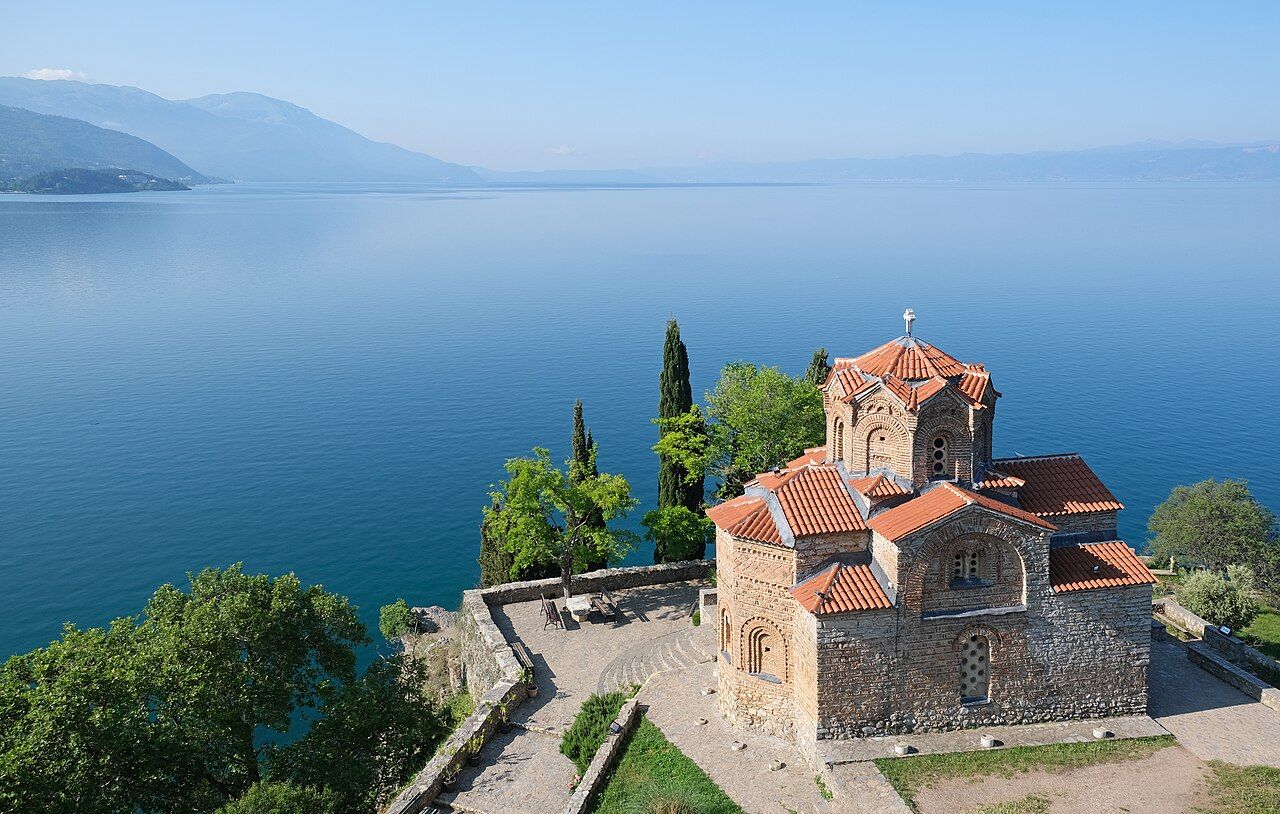
Lake Ohrid lies across the border between North Macedonia and Albania, a deep, clear lake ringed by mountains. It is among the oldest lakes in Europe and is home to plants and animals found nowhere else. The town of Ohrid, on its north-eastern shore, climbs a hill above the water, with stone houses, medieval churches and a fortress on the summit. The lake and the town together are a UNESCO World Heritage Site, listed for both their nature and their history.
From Pristina, Ohrid is usually reached via Skopje, and it pairs naturally with a trip into Albania. It is busy in high summer and calm out of season, and it stays good value either way.
The lake is fed largely by underground springs, some of them flowing from Lake Prespa on the other side of the mountains to the east, which is one reason the water is so clear. On a calm day you can see a long way down from the jetties. The town has been a centre of religion and learning for more than a thousand years, and it is said that it once had a church for every day of the year. Whether or not that is literally true, you will not be short of old churches to visit.
St John at Kaneo and the shore path
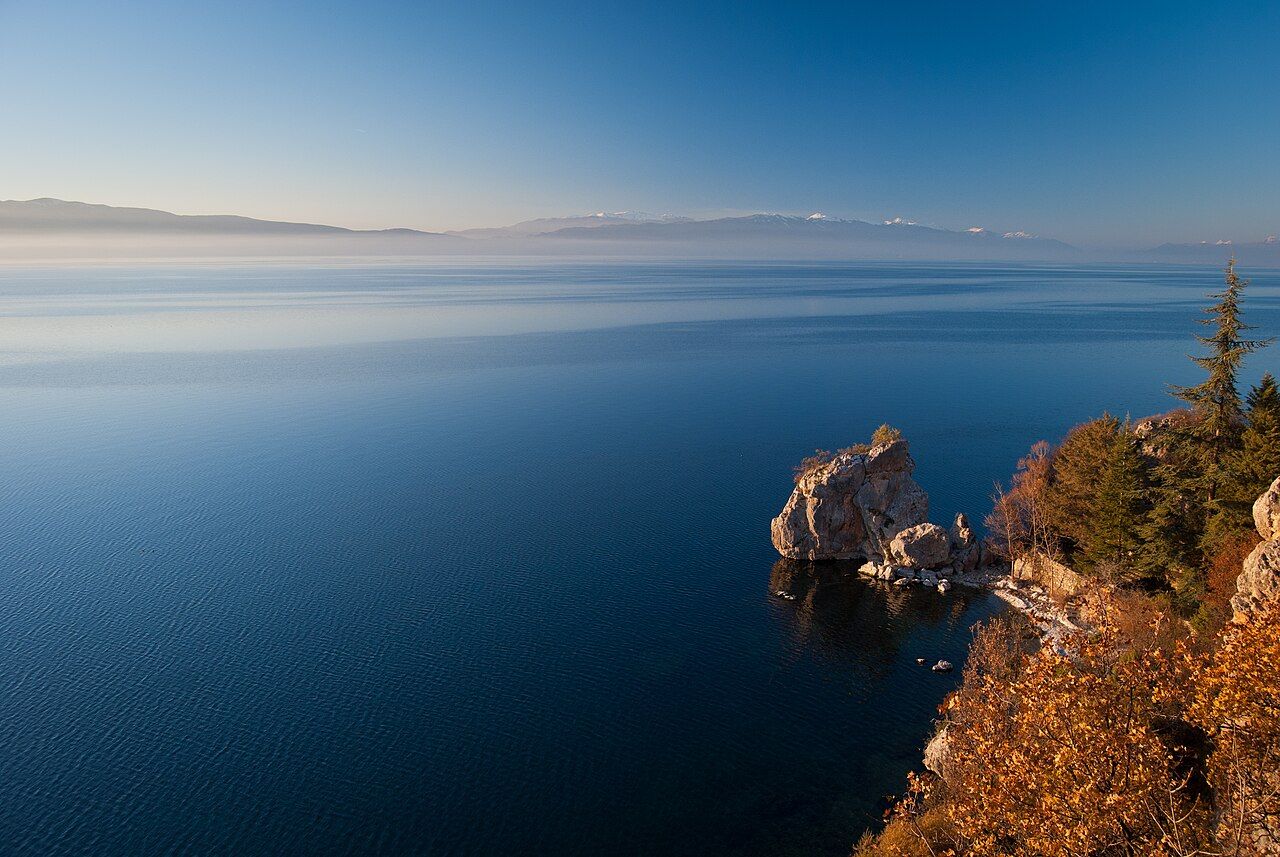
The small church of St John at Kaneo stands on a rocky point above the lake, west of the old town, and its outline against the water is the view you have probably already seen. The church dates from the medieval period and has a cross-in-square plan, a tiled dome and remains of wall paintings inside. Walk to it along the shore and the wooden walkways below the cliffs, or come down from the hill above.
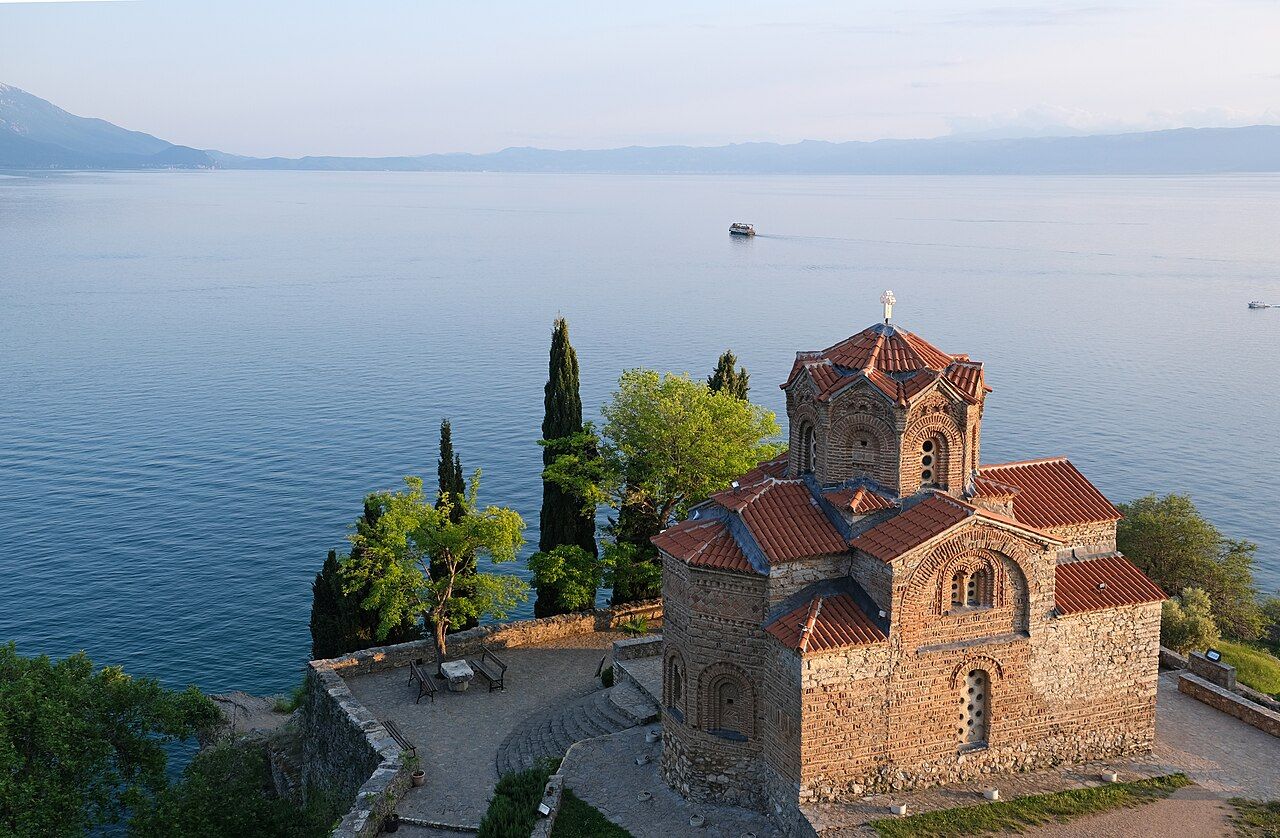
Sunset brings crowds to the viewpoint above the church. For a quieter visit, come in the early morning, when the lake is often flat and still. There is usually a small fee to enter the church itself; carry a few denars.
For a quieter visit, come in the early morning, when the lake is often flat and still.
The old town and its churches
Ohrid's old town is a web of steep lanes between whitewashed houses with overhanging upper floors. Among them stand some of the most important medieval churches in the region. The Church of St Sophia, near the lower end of the old town, has large medieval frescoes. Higher up, the site of Plaošnik holds a rebuilt church dedicated to St Clement and St Panteleimon, on the foundations of a monastery linked to the early Slavic literary tradition. Close by, a Hellenistic theatre has been restored and is used for summer performances.
Many churches are still in use. Dress modestly, cover shoulders and knees, keep your voice down and ask before taking photos inside. Small entry fees at the larger churches help pay for upkeep.
Away from the churches, the old town's lanes are a pleasure in themselves. Look out for the old plane tree near the lower bazaar, the small workshops selling the traditional Ohrid pearl jewellery and the steps that lead suddenly to a view over the water. In the lower town, the main market street runs from the harbour towards the newer districts and is lined with shops, bakeries and cafés.
Samuel's Fortress
At the top of the hill, the walls of Samuel's Fortress enclose a grassy space with views across the rooftops and out over the water. The fortress is named after Tsar Samuel, who ruled from Ohrid around the turn of the first millennium, though the walls have been built and rebuilt over many centuries. Walk the ramparts for the views, especially in the late afternoon.
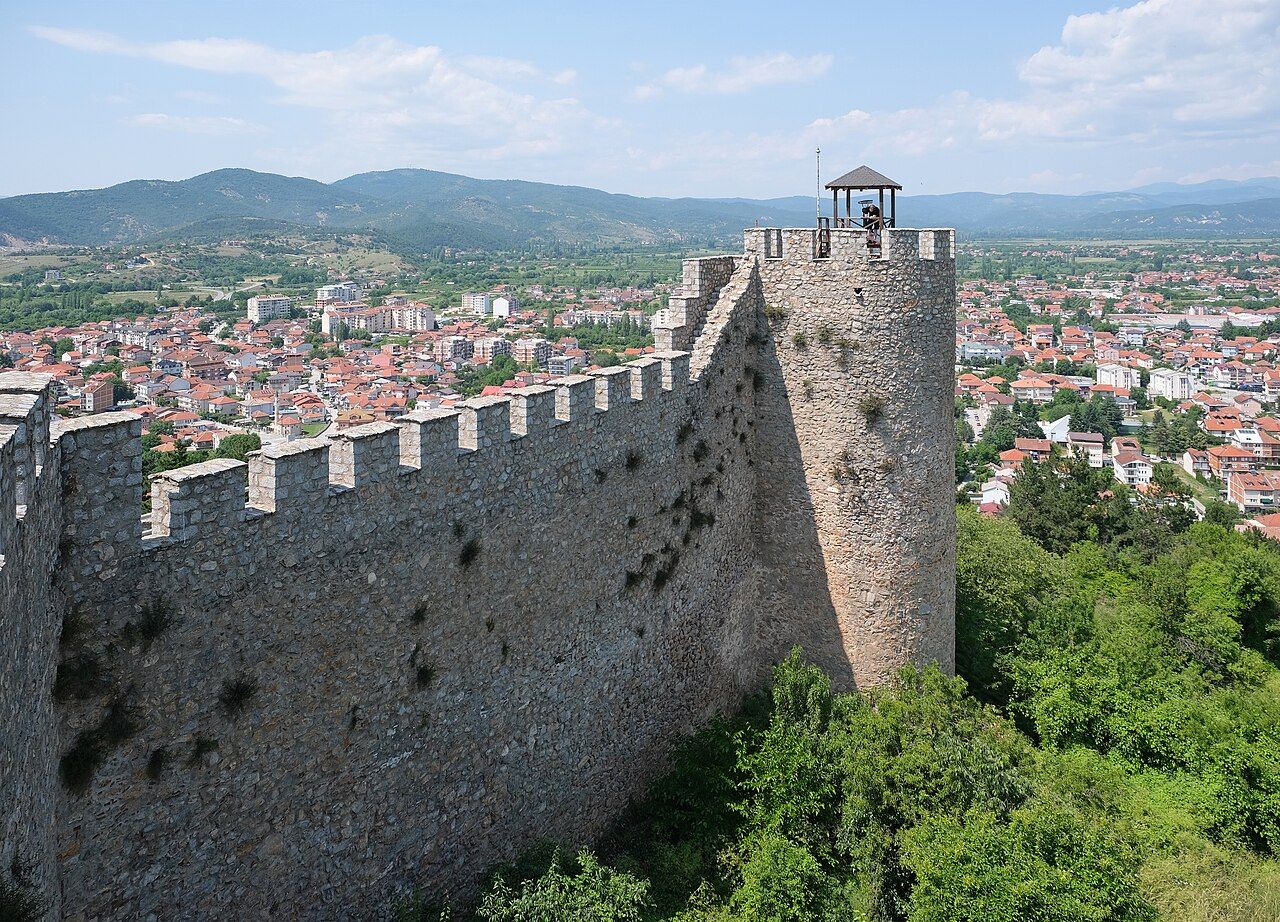
The climb from the lakeshore is steep but short. Combine it with Plaošnik and Kaneo in one loop: up through the old town to the fortress, across to Plaošnik, then down through the woods to the church above the water.
There is usually an entry fee for the fortress, and opening hours vary by season. Go in the morning in summer, when the stone walls have not yet soaked up the heat, and carry water.
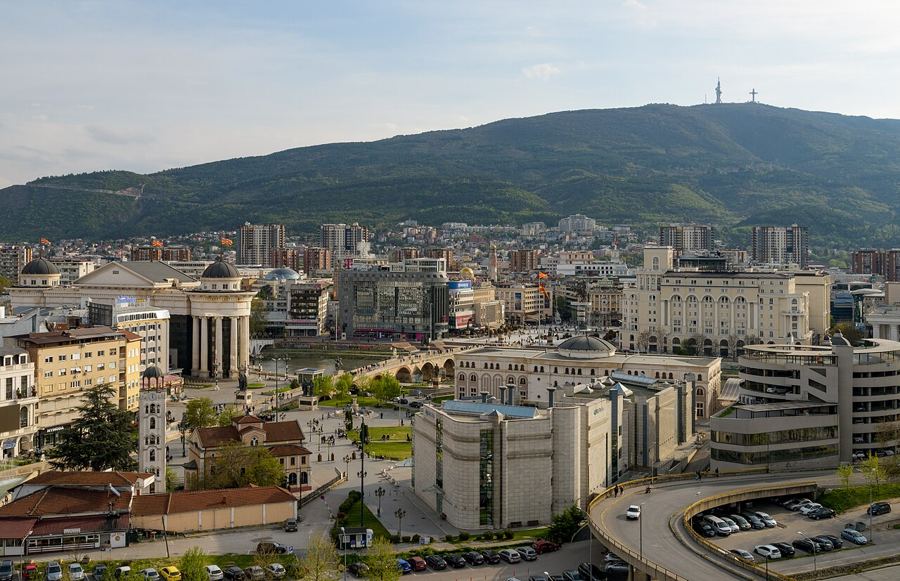 Change here for SkopjeSkopje across the border
Swimming and the lake shore
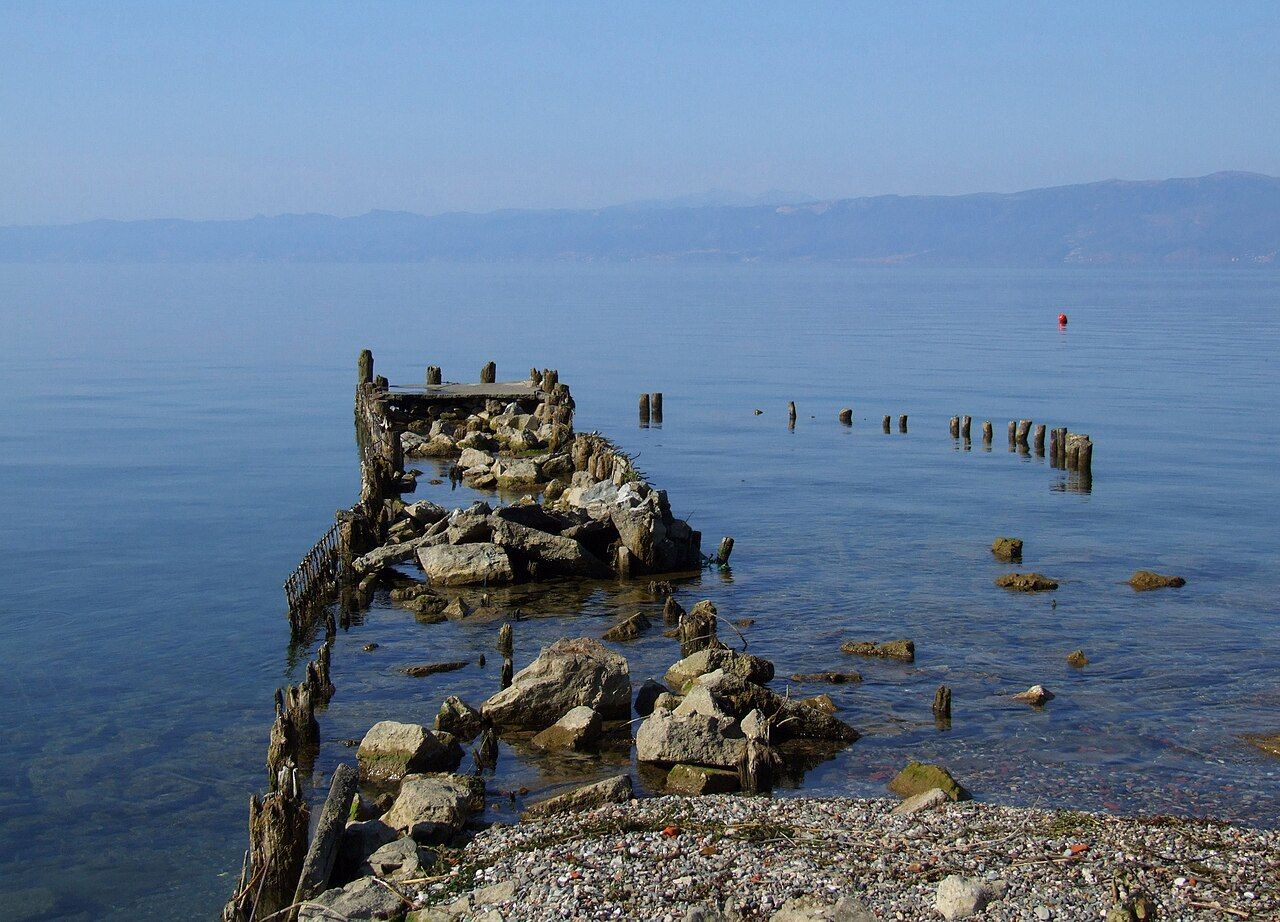
In summer, the lake is warm enough for long swims, and the water is famously clear. The shore near the town has small pebble beaches and bathing platforms, some free and some run as private beach areas that charge for loungers. Beaches further along the eastern shore, towards the village of Trpejca and beyond, are quieter and wilder.
At the southern end of the lake, the monastery of St Naum sits near the Albanian border, close to springs that feed the lake. Boats and buses run there in season; check what is running when you arrive.
- Swim near others and keep to marked areas near busy jetties, where boats come and go.
- The lake is a protected habitat; never take shells, stones or plants from the water.
- Shoes for rocky entry points are worth packing.
On the shore south of Ohrid, the Bay of Bones museum shows a reconstruction of a prehistoric settlement built on wooden piles over the water, with a small museum about the finds made in the lake. It sits beside the road towards St Naum and makes an easy stop on the way.
Getting there and staying cheaply
Buses run between Skopje and Ohrid several times a day, taking a few hours through the hills, and some seasonal services link Ohrid with Pristina and other cities in the region. From Ohrid, the town of Struga lies a short ride to the west, and the Albanian border is close to the south-west, making it easy to continue towards Tirana. Timetables change with the season, so check at the bus station rather than trusting old schedules.
Ohrid is one of the most visited places in North Macedonia, and July and August are the busiest months. Late spring and early autumn are calmer and cheaper, with water still warm enough to swim in September. Eat where locals eat, away from the lakefront promenade, and buy fruit, bread and cheese at the market for picnics on the shore.
Out of season, from late autumn to early spring, the town is quiet, many lakefront businesses close and the water is too cold for most swimmers. It is still a fine time to visit the churches and walk the shore paths in peace, and rooms are cheaper and easier to find. Pack a warm layer: evenings by the lake can be chilly even in early summer.
If you are planning a longer loop, read our notes on Skopje for the way in, then continue to Tirana or north to the mountain trail from Theth to Valbona before returning to Kosovo.