
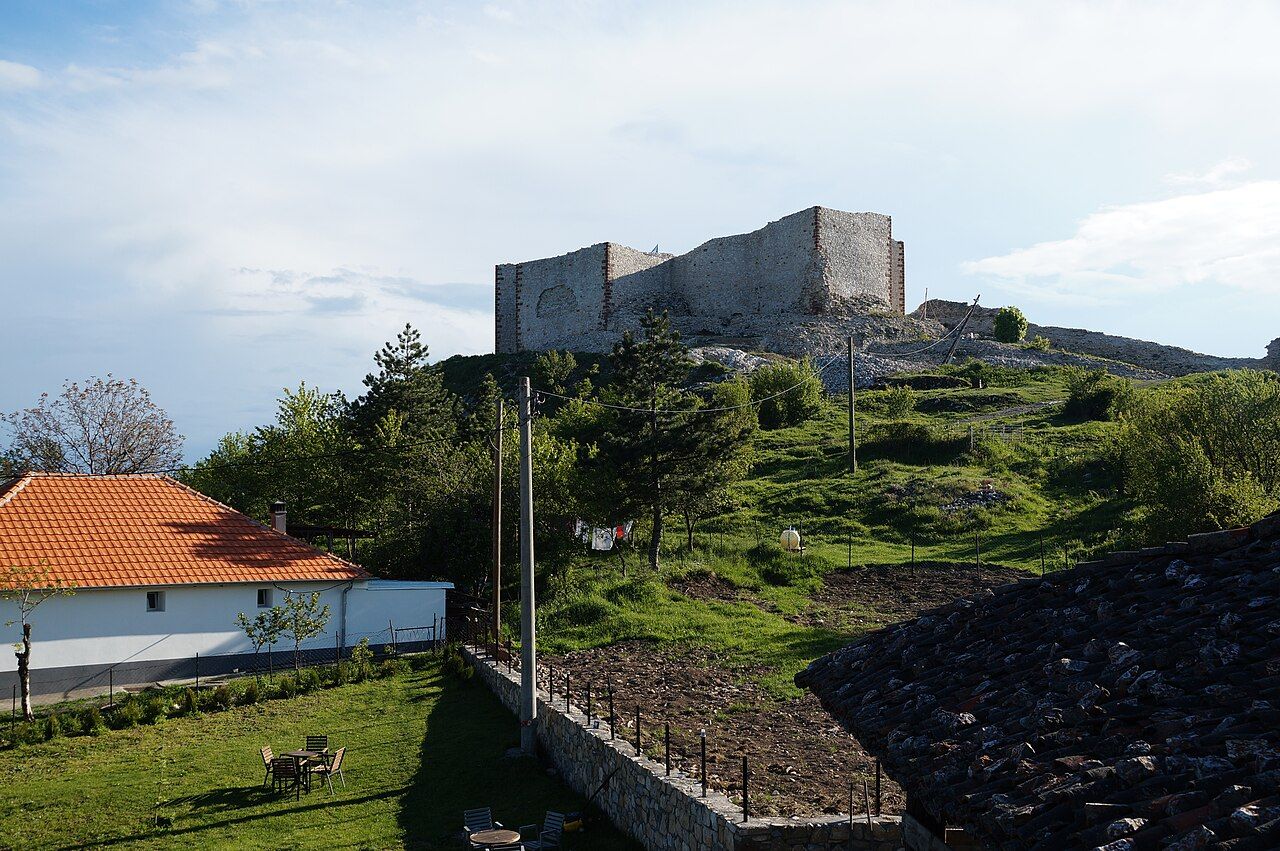
Most visitors to Kosovo never hear of Novo Brdo, which is a pity. In the Middle Ages this hilltop town was one of the richest mining centres in southeastern Europe, and the ruins of its fortress still crown a steep, rocky peak in the hills east of Pristina. Today the area is rural and quiet, and the climb to the walls rewards you with long views over rolling farmland. Getting there needs some planning, because public transport is thin, but it makes a worthwhile half-day if you can share a car or taxi.
The town's Serbian name, Novo Brdo, means "new hill"; in Albanian it is Novobërda or Artana.
A town built on silver
Novo Brdo grew rich from silver and other metals mined in the surrounding hills. In the fourteenth and early fifteenth centuries it was a busy commercial town, with merchants from Dubrovnik (then the Republic of Ragusa) and elsewhere trading in its markets, and coins were minted here. The fortress on the summit protected the town and its mines.
Its fortunes changed in the fifteenth century. After a period of conflict, the town fell to the Ottoman Empire in 1455, and over the following centuries its importance faded as mining declined. What remains is a mix of the upper fortress, parts of the lower town and the foundations of churches, all slowly being studied and conserved.
What you see at the fortress
The upper fortress sits on the top of a cone-shaped hill. Its tall stone towers and curtain walls are the most striking part of the site, especially when you see them outlined against the sky as you approach. Inside the walls, the ground is uneven and partly overgrown, and you can trace the shape of the former courtyards and gates.
Below the summit lie the remains of the lower town and a large church. Conservation work has continued at the site in recent years, and some areas may be fenced off while it goes on. Information boards help explain the layout. Respect any barriers; ancient walls can be loose.
- Wear sturdy shoes; the path up is steep and stony.
- Bring water, as there is little shade on the summit.
- Take a windproof layer; the hilltop catches every breeze.
- Allow at least an hour to wander and enjoy the views.
The view and the landscape
From the top, the hills of eastern Kosovo spread out in every direction, a patchwork of fields, woods and scattered villages. On a clear day you can see far across the valleys. Late afternoon light is particularly good for photographs, softening the stone and lengthening the shadows. Sunrise and sunset can be magnificent, though you will need your own transport to be here at those hours.
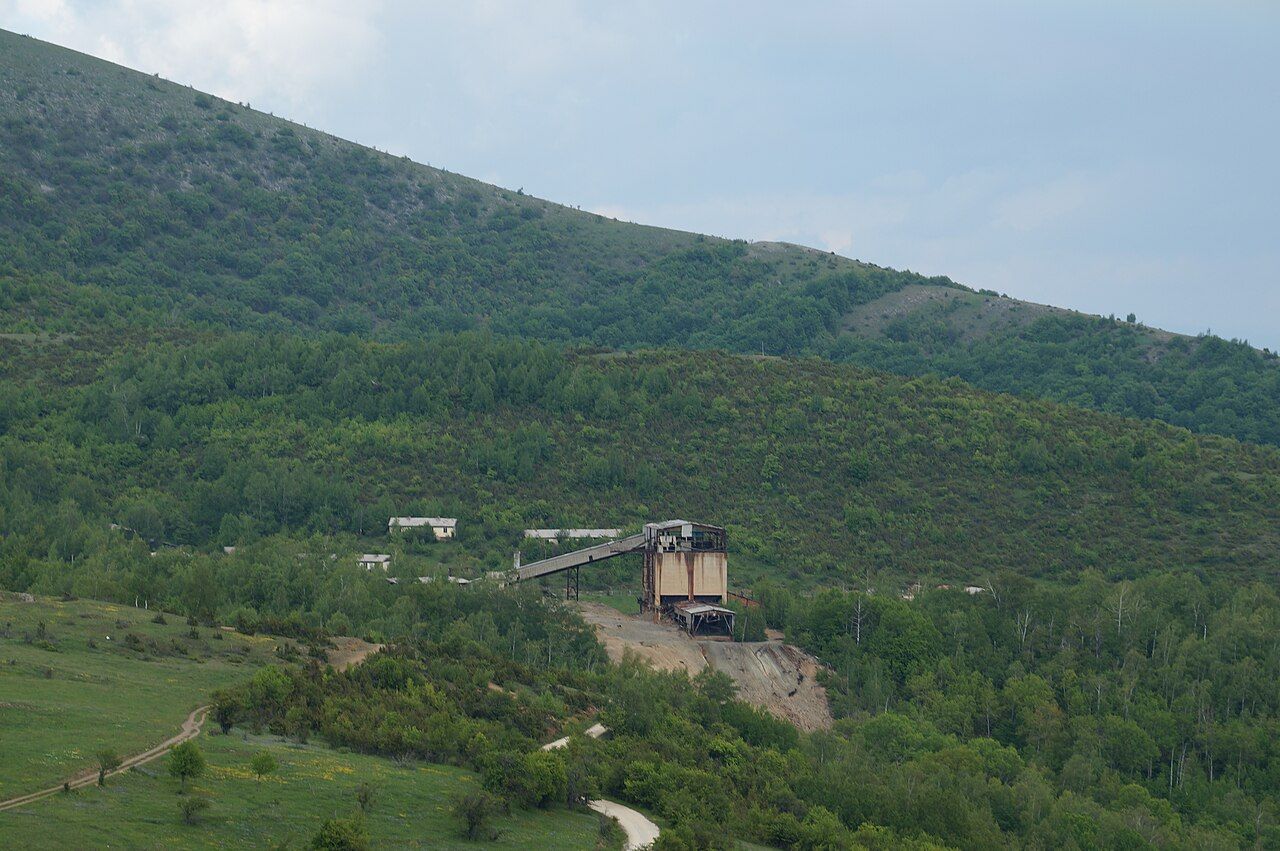
Look around the slopes and you will still see signs of mining. Old shafts and works dot the hills, and mining has continued in the area into modern times. It is a reminder that the wealth that built the fortress came from the ground beneath your feet.
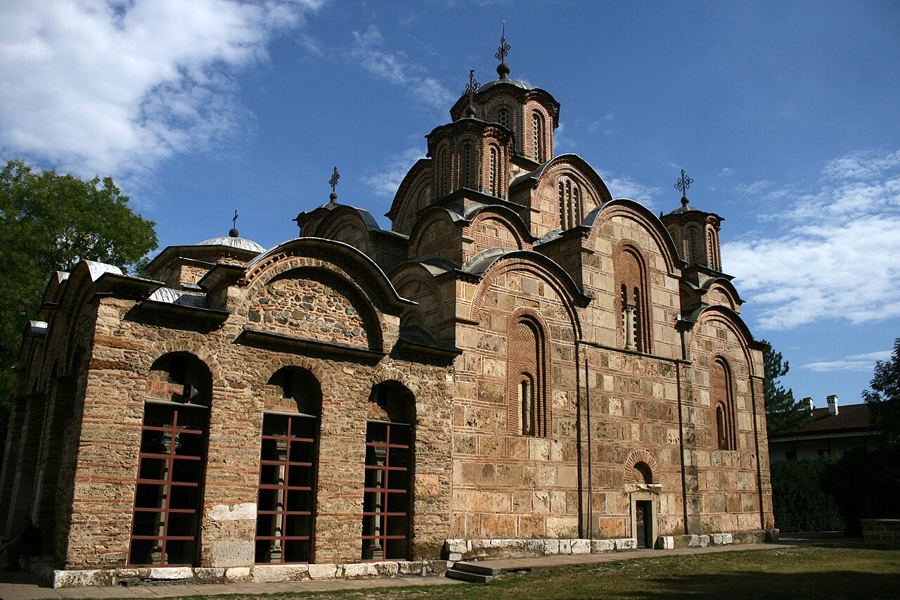 Change here for GračanicaGračanica Monastery and the ruins of Ulpiana
The village today
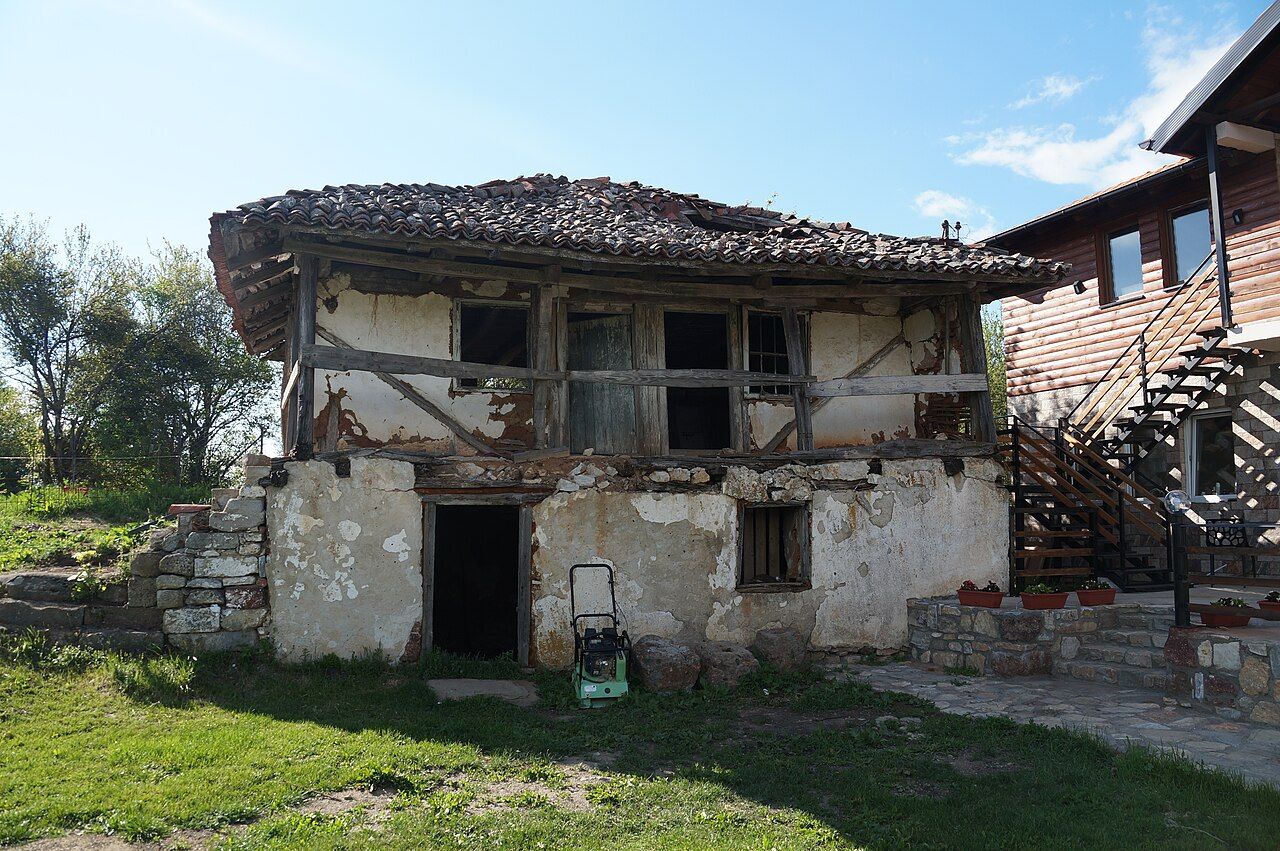
The present-day village is small and scattered, with a mix of Albanian and Serbian communities. Around the area you may see old farmhouses of stone and timber, some protected for their heritage value. Life here moves slowly, and there are few services for visitors, so do not count on finding food or shops open. Pack a picnic and some snacks before you leave Pristina.
If you have time, walk a little way along the lanes below the fortress. Fields, orchards and small houses spread across the slopes, and in late spring the meadows are full of wild flowers. It is easy to imagine the busy streets, workshops and markets that once covered this hillside, though almost nothing of them survives above ground.
Greet people you meet, and be aware that this is a place where history is felt deeply on all sides. As anywhere in Kosovo, listen more than you talk when conversations turn to the past.
Getting there
Novo Brdo lies roughly forty kilometres southeast of Pristina, and the drive takes around an hour on winding country roads. Public transport is limited: a few buses may serve the area on some days, but schedules are irregular and you could easily get stuck. For most backpackers the practical options are:
- Share a taxi. Agree a price for the return trip, including waiting time, before you set off. Splitting it between three or four people makes it reasonable.
- Rent a car. If you are driving yourself, the roads are paved but narrow and steep near the end.
- Combine trips. With a car, you can pair Novo Brdo with Gračanica and Ulpiana on the same day, as they lie in the same general direction.
Whatever you choose, check road and transport conditions before you go, especially in winter, when snow can make the final climb difficult.
Is it worth the effort?
If you enjoy castles, ruins and open landscapes with few other visitors, yes. Novo Brdo feels far less visited than the fortress above Prizren, and part of its appeal is the silence. If you have only a few days in Kosovo and no car, though, you may get more from easier trips: Prizren's old town and fortress or the forest of Germia Park are both straightforward by bus.
For background on the region's long and complex story, our short, careful history of Kosovo helps put places like Novo Brdo in context.