
Kosovo is small, and its roads are busy with buses and minibuses linking every town. For a backpacker, that makes it one of the simplest countries in the region to get around without a car. Getting in and out is a different matter: the country's position means some borders have rules that catch travellers out. This guide covers the general picture for buses and borders. Details change, so always check current official guidance before you travel.
Buses inside Kosovo
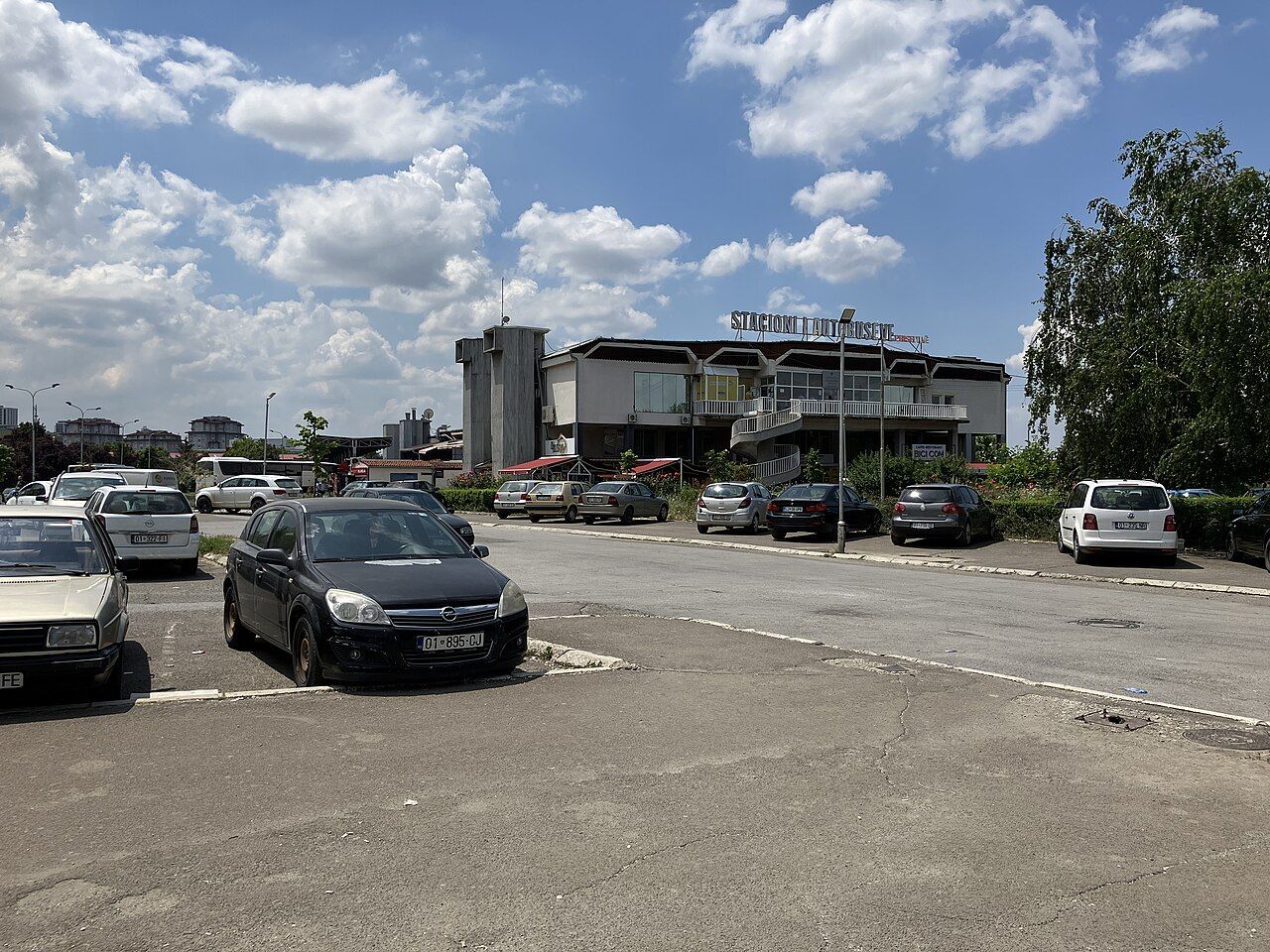
Pristina's main bus station sits south-west of the centre, a walk or short taxi ride from the main boulevard. From here, buses run regularly to the main towns, including Prizren, Peja/Peć, Gjakova/Đakovica, Mitrovica and Ferizaj/Uroševac. Departures on popular routes are frequent during the day and thin out in the evening, so start early for longer trips.
Tickets are usually bought from a kiosk at the station or from the driver or conductor on board. Keep small notes and coins ready. Many buses also stop at the roadside to pick up passengers waving them down, so asking the driver to let you off at a junction is normal.
Kosovo's railway network is small and services are limited. Buses are faster and more frequent for nearly every journey, so most travellers never take the train.
Within towns, minibuses and local buses fill the gaps. In smaller places, the bus stop may be no more than a roadside café where buses pull in. Ask locals, who are usually happy to point you to the right spot, and allow extra time on Sundays and public holidays, when services are often reduced.
Buses to neighbouring countries
International buses leave Pristina for capitals and towns across the region. Common routes run to Skopje, Tirana, Podgorica and Belgrade, among others, with longer routes going further into Europe. Journeys to Skopje take a couple of hours, while trips to Tirana take longer on a motorway through the mountains.
When buying a ticket for an international route, ask where the bus arrives. In some cities, buses stop at terminals outside the centre. Keep your passport and ticket handy, because buses stop at both sides of each border for checks.
Night buses run on some of the longer routes. They save the cost of a bed, but border checks in the small hours can mean waking up, getting off the bus and queueing with your passport. Keep your documents and a warm layer within easy reach, rather than in your main bag in the luggage hold.
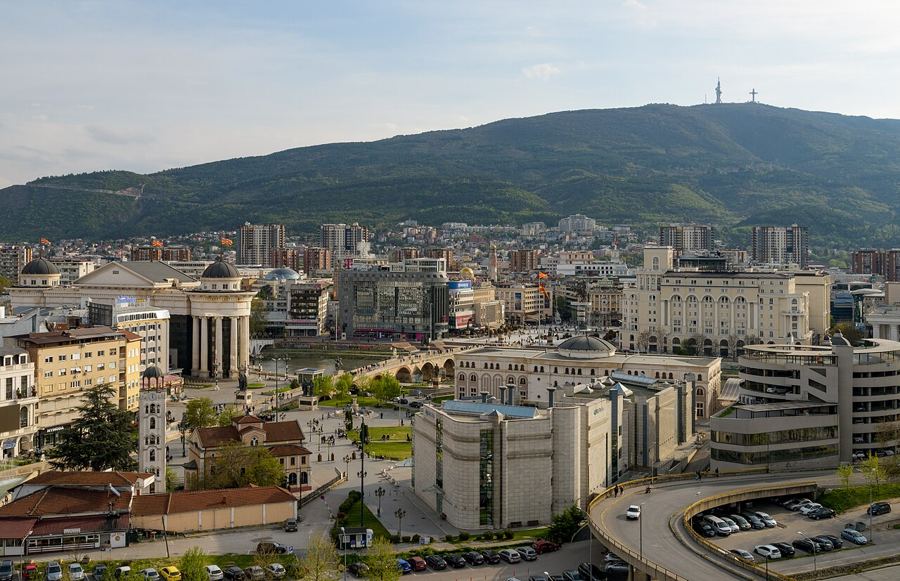 Change here for SkopjeSkopje across the border
Borders, told in general terms
Kosovo declared independence in 2008. Many countries recognise it, while others, including Serbia, do not. This affects how some borders work for travellers, especially between Kosovo and Serbia.
In the past, travellers who entered Kosovo from Albania, North Macedonia or Montenegro and then tried to leave directly into Serbia have sometimes faced problems, because of how each side treats entry stamps and crossings. Rules on documents, stamps and routes via Serbia have changed more than once and may change again. Before you plan a route that involves Serbia and Kosovo, check current official guidance from your own government and from the border authorities concerned, and allow for changes at short notice.
- Carry your passport at all times when travelling between countries in the region.
- Check entry requirements for your nationality for each country on your route.
- Keep any entry slips or stamps you are given and do not lose them.
- If you are driving, check insurance rules for each country before you set off.
Money: the euro
Kosovo uses the euro, although it is not a member of the eurozone. Cash machines are easy to find in towns, and cards are increasingly accepted in larger places, but cash is still the norm for buses, bakeries and small shops. Neighbouring countries use their own currencies: the denar in North Macedonia, the lek in Albania and the dinar in Serbia, while Montenegro also uses the euro.
Change only what you need at the border, or withdraw local cash on arrival. Rates at bus stations and crossings are usually poor.
Countries in the region also have rules about how much cash you can carry across a border without declaring it. If you plan to carry a large sum, check the current rules for each country in advance.
Taxis and local transport
Taxis are common and good value in Kosovo's towns. Use metered taxis or agree a price before you get in. City buses run in Pristina and some larger towns; they are cheap and useful for the outskirts.
For trips to places like the Marble Cave at Gadime or Gračanica and Ulpiana, local buses and minibuses work well. For more remote places, such as the Mirusha waterfalls, a combination of bus and taxi is usually best.
Practical tips
Bus times and prices change, and online timetables are often out of date. The best information is usually at the station itself, from the ticket kiosks and drivers. Arrive a little early, ask which platform your bus leaves from, and check the destination sign on the windscreen before you board.
On longer routes, buses usually stop for a break at a roadside café or petrol station. Keep your valuables with you, and note the bus's number plate in case you need to find it again. With a little patience, buses will take you nearly everywhere you want to go, for very little money.